


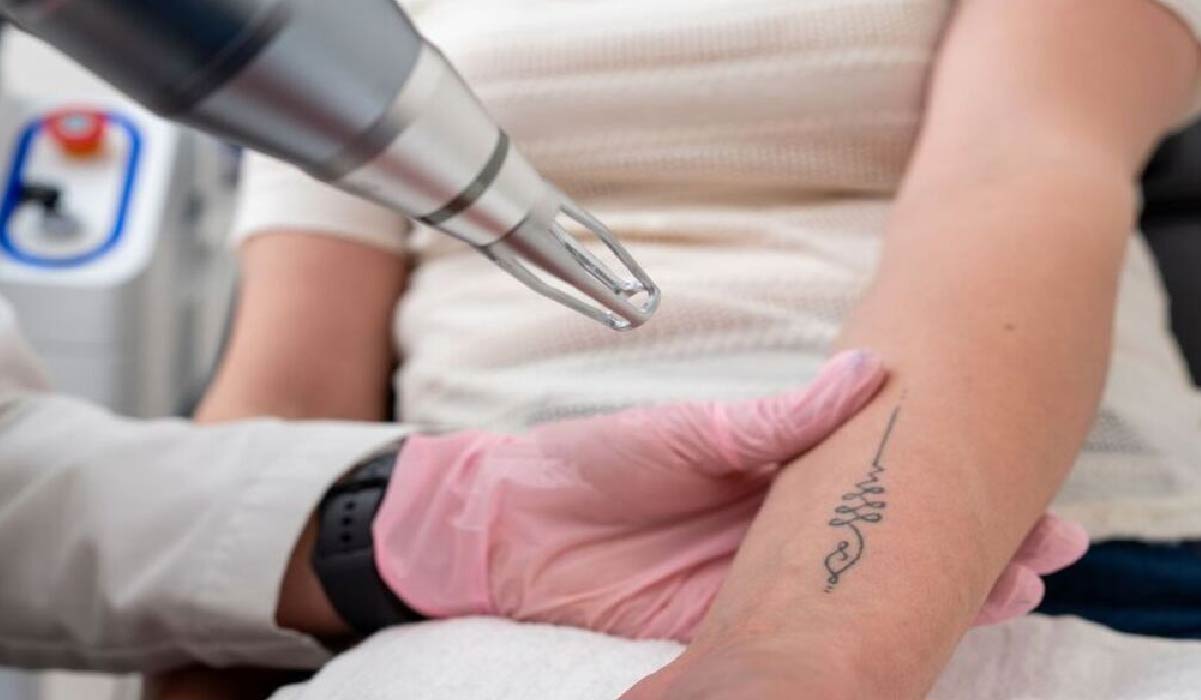
Tattoo regret is more common than most people assume — roughly one in four people with tattoos say they wish they’d chosen differently. Removing one, though, is a bigger commitment than getting it inked in the first place. It takes time, money, and a realistic understanding of how the process actually works before you book a session.
How Laser Tattoo Removal Actually Works
Laser tattoo removal uses concentrated pulses of light to break up the ink particles sitting in your skin’s dermis layer. Your immune system then treats those fragmented particles like debris and flushes them out through your lymphatic system over the following weeks. This is why results show up gradually rather than after a single visit — the body needs time to clear each round of shattered pigment.
Different laser wavelengths target different ink colors. Black and dark blue respond best because they absorb most wavelengths of light, while greens, yellows, and light blues are notoriously stubborn and may need specialized lasers like picosecond devices. A technician assessing your tattoo will look at ink density, color range, and depth before mapping out a treatment plan.
What Actually Happens During a Session
A typical session starts with a patch test if it’s your first visit, checking how your skin reacts to the laser. The treatment area gets cleaned, and you’ll be given protective eyewear since the laser can damage your retinas if you look directly at it. Most technicians also apply a topical numbing cream about 30-45 minutes beforehand.
The laser itself makes a snapping sound, often compared to a rubber band hitting the skin repeatedly. Small tattoos might take under five minutes; larger pieces covering a full forearm or back panel can take 20-30 minutes. Immediately afterward, the skin often turns white or frosted, then reddens and swells slightly, similar to a mild sunburn.
Why Multiple Sessions Are Non-Negotiable
No reputable provider will promise full removal in one or two sessions, and you should be skeptical of anyone who does. Most tattoos require anywhere from 6 to 12 sessions spaced 6-8 weeks apart, depending on ink saturation, color, and how deep the pigment sits. Professional tattoos, ironically, often take longer to remove than amateur ones because they’re applied with more precision and consistency.
The 6-8 week gap between sessions isn’t arbitrary. It gives your lymphatic system enough time to clear out fragmented ink and lets the skin fully heal before facing another round of laser exposure. Rushing this timeline increases the risk of scarring and reduces the laser’s effectiveness on subsequent visits.
How to Choose a Qualified Provider
Not all tattoo removal services carry the same level of training or equipment quality. Look for providers who use FDA-cleared or FDA-approved lasers — Q-switched and picosecond lasers are currently the industry standard — and who can explain exactly which device they’ll use on your skin tone and ink colors. Ask how many tattoos they’ve treated and whether they have before-and-after photos of clients with similar coloring.
For anyone researching options in Connecticut, expert laser tattoo removal in South Windsor has become easier to find as more dermatology and cosmetic clinics have added advanced picosecond lasers to their equipment lineup. A good consultation should include a real conversation about your skin type, tattoo age, and expected number of sessions rather than a rushed sales pitch. If a provider can’t answer basic questions about laser type or realistic timelines, that’s a signal to keep looking.
Aftercare That Actually Matters
Treat the area like a fresh wound for the first 48 hours. Keep it clean and dry, avoid picking at any blistering or scabbing, and skip the gym or anything that causes heavy sweating for at least a day or two. Sun exposure is one of the biggest risks to avoid entirely during the healing window and for the full duration of your treatment plan, since UV rays can cause pigmentation changes and interfere with healing.
Most providers recommend a fragrance-free healing ointment and loose clothing over the area to prevent friction. Blistering is normal and doesn’t mean something went wrong — it’s part of the skin’s natural response to the laser breaking down ink. Avoid alcohol-based products, retinoids, or exfoliants on the area until it’s fully healed, typically within one to two weeks.
Risks and Realistic Expectations
Laser removal isn’t risk-free. Hypopigmentation (lighter patches of skin) and hyperpigmentation (darker patches) can occur, particularly in people with darker skin tones, which is why choosing a provider experienced with a range of skin types matters. Scarring is rare with modern lasers when aftercare instructions are followed, but it’s not impossible, especially if you pick at healing skin or skip sun protection.
Complete removal isn’t guaranteed for every tattoo. Some ink, particularly certain colors or tattoos with heavy layering, may only fade significantly rather than disappear entirely. A qualified technician will give you an honest assessment upfront rather than promising a result the laser can’t deliver.
The real work of tattoo removal happens between sessions, not just during them. Sticking to the appointment schedule, protecting the area from sun, and resisting the urge to rush the process will do more for your results than any single treatment. Patience, more than anything else, determines how clean the final outcome looks.
