


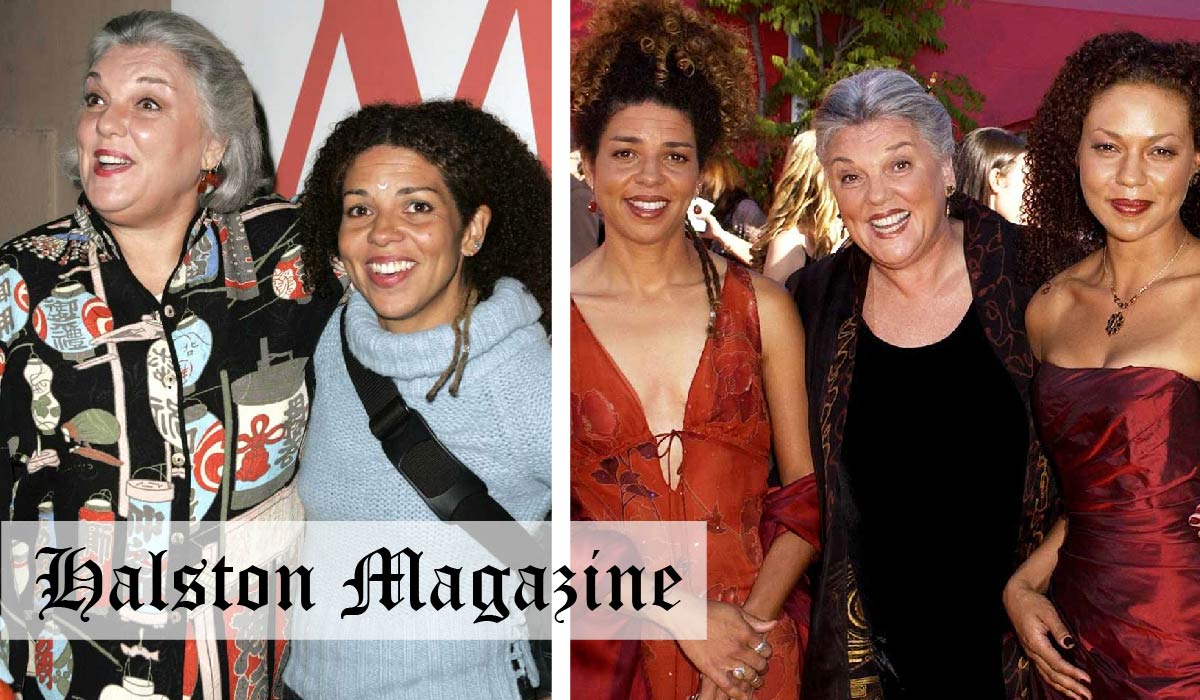
Alisabeth Brown is an American artist known for her thoughtful work in ceramics and kiln-formed glass. She was born into a well-known creative family but chose a quieter and more personal path in the world of art. Instead of seeking attention in the public eye, she built her career through steady work, patience, and a deep connection to materials.
Her story is interesting because it shows a shift from the fast-paced film industry to a calm and focused studio life. Today, she is respected for her unique artistic voice and her dedication to making meaningful work. Her life reflects a balance between creativity, privacy, and personal growth, which continues to draw curiosity from people who learn about her.
Quick Facts
| Full Name | Alisabeth Brown |
| Date of Birth | December 12, 1967 |
| Age | Mid-50s |
| Birthplace | New York City, USA |
| Nationality | American |
| Profession | Visual Artist (Ceramics & Kiln-Formed Glass) |
| Former Career | Film Production Assistant |
| Father | Georg Stanford Brown |
| Mother | Tyne Daly |
| Siblings | Kathryne Dora Brown, Alyxandra Brown |
| Current Residence | Santa Fe, New Mexico, USA |
| Marital Status | Not publicly known |
| Children | Not publicly known |
| Net Worth | Not publicly available |
Early Life and Family Background Of Alisabeth Brown
Alisabeth Brown was born in New York City, a place known for its rich culture and strong artistic energy. Growing up in such an environment meant she was surrounded by creativity from an early age. Her family background played an important role in shaping her perspective on life and work. She spent time between New York and Los Angeles, which gave her exposure to different creative communities.
Her childhood was not only about art but also about understanding discipline and effort. Being raised in a family where storytelling and performance were common helped her develop a deep appreciation for creative work. These early experiences influenced her later decisions, even though she eventually chose a different path from her parents.
Alisabeth Brown Father: Georg Stanford Brown
Alisabeth Brown’s father, Georg Stanford Brown, is a respected figure in the entertainment industry. He built a long career as both an actor and a director, working on many television and film projects. His work showed strong storytelling skills and a clear understanding of visual detail.
Growing up with a father who worked behind and in front of the camera gave Alisabeth a close look at how the industry operates. She saw the effort, planning, and teamwork required to create something meaningful. His dedication to his craft likely influenced her own approach to work. Although she did not follow his exact career path, the lessons she learned from him stayed with her throughout her life.

Alisabeth Brown Mother: Tyne Daly
Her mother, Tyne Daly, is a well-known and award-winning actress. She is admired for her strong roles in television and theater and has earned several honors for her performances. Growing up with a mother who had such a powerful presence in acting exposed Alisabeth to the emotional side of storytelling. She saw how important passion and honesty are in creative work.
Her mother’s career showed her that success comes from dedication and staying true to one’s voice. Even though Alisabeth did not choose acting, her mother’s influence helped shape her understanding of creativity. It taught her to respect the process of making art and to value authenticity over attention or fame.
Siblings and Creative Family Environment
Alisabeth Brown grew up with her sisters, including Kathryne Dora Brown, in a home filled with creative energy. Each member of the family explored different forms of expression, which created a rich and supportive environment. Her sisters also followed their own creative paths, showing that the family valued individuality as much as shared talent.
This kind of upbringing allowed Alisabeth to discover her own interests without pressure. Instead of being pushed into one direction, she was encouraged to explore and learn. The presence of multiple creative voices in the household helped her understand that there are many ways to live an artistic life. This early freedom played an important role in shaping her unique journey.
Education and Early Creative Interests
While there is limited public information about her formal education, it is clear that Alisabeth developed a strong interest in creativity from a young age. She was drawn to activities that involved making things with her hands and exploring materials. Her learning was not only based on school but also on her surroundings and experiences. She learned by observing, practicing, and experimenting.
This type of learning helped her build a deep understanding of form, texture, and movement. Even before she became a professional artist, she showed signs of thinking in a visual and tactile way. Her early interests in shaping and building things later became the foundation of her work in ceramics and glass.
Entry Into the Film Industry
As a young adult, Alisabeth entered the film industry, following a path that was familiar within her family. However, she chose to work behind the scenes rather than in front of the camera. This decision suited her personality, as she preferred contributing quietly instead of being in the spotlight.
Her early work gave her insight into how films are made, from planning scenes to managing production details. She learned how different teams work together to bring a project to life. This experience helped her develop strong organizational and visual skills. Although this was not her final career choice, it played an important role in shaping her understanding of creative work and teamwork.
Career in Film Production
During her time in the film industry, Alisabeth worked on projects such as Sister Act, which gave her valuable experience in production. She also contributed to other projects where she learned about set design, coordination, and visual storytelling. Working in production requires attention to detail and the ability to stay calm under pressure. These skills helped her grow professionally and personally.
She gained a clear understanding of how complex creative projects are managed. Even though she was not seeking recognition, her work behind the scenes was important. This period of her life helped her build discipline and gave her a strong foundation that she later used in her artistic practice.
Why She Left the Film Industry
Over time, Alisabeth realized that the film industry did not fully match her personal goals. While she respected the work, she felt a need for a slower and more personal form of creativity. Film production often involves tight schedules and decisions made by large teams.
She wanted more freedom to explore her own ideas at her own pace. This led her to step away from the industry and look for something that felt more meaningful. Her decision was not sudden but came from careful thought. She chose to follow a path that allowed her to work independently and connect more deeply with her creative instincts.
Transition Into Visual Art
After leaving film production, Alisabeth began exploring visual art, especially ceramics. This transition marked a new chapter in her life. Working with clay gave her a direct connection to her materials, something she had not experienced in film. She enjoyed the process of shaping and forming objects by hand. This hands-on approach allowed her to express herself in a more personal way.
At first, she experimented with simple forms, but over time, her work became more complex and expressive. This period was important because it allowed her to discover her artistic voice. It also showed her that creativity can grow through patience and practice.
Artistic Evolution and Mediums
As her confidence grew, Alisabeth expanded her work beyond ceramics and began exploring kiln-formed glass. This new medium offered different possibilities, especially in how it interacts with light. Glass allowed her to create pieces that felt more fluid and dynamic. She learned how to control heat and shape materials in a careful way. Combining ceramics and glass helped her develop a unique style.
Each material brought its own qualities, and she learned how to balance them. This evolution showed her willingness to learn and adapt. Her work became more refined as she gained experience and understanding of these materials.
Signature Style and Artistic Identity
Alisabeth’s work is known for its soft, organic shapes and natural feel. She often creates forms that look like they belong in nature, such as shells or flowing water shapes. Her style is calm and thoughtful, reflecting her personality. She does not try to copy nature exactly but instead captures its movement and rhythm.
This approach gives her work a unique identity. People who see her pieces often describe them as peaceful and balanced. Her ability to create such forms shows her deep connection to her materials. Over time, this style became her signature, making her work recognizable within the art community.
Nature and Ocean Influences in Her Work
Nature plays a strong role in Alisabeth’s artistic inspiration. She often draws ideas from the ocean, landscapes, and natural patterns. The movement of water, the shapes of rocks, and the softness of sand all influence her work. She uses colors that reflect these elements, such as blues, greens, and neutral tones.
Her pieces often feel calm and flowing, like natural forms shaped over time. This connection to nature gives her work a timeless quality. It also helps viewers feel a sense of peace when they look at her art. Her ability to translate natural beauty into physical forms is one of her strengths.
Life in Santa Fe and Its Artistic Influence
Alisabeth now lives in Santa Fe, a city known for its strong art culture. The environment there has had a big impact on her work. The landscape, with its open skies and natural colors, provides constant inspiration. Santa Fe also has a supportive community of artists, which encourages creativity.
Living there allows her to focus on her work without distractions. The slower pace of life suits her artistic style. It gives her the time and space she needs to create thoughtfully. This location has become an important part of her identity as an artist.
Studio Practice and Creative Process
In her studio, Alisabeth follows a steady and focused routine. She spends time preparing materials, shaping forms, and carefully finishing each piece. Her process requires patience, especially when working with ceramics and glass. Each stage takes time, from drying to firing.
She often works on several pieces at once, allowing each one to develop naturally. Her studio is a quiet space where she can think and create without pressure. This environment reflects her values of calmness and attention to detail. Her daily work shows her commitment to her craft and her respect for the materials she uses.
Exhibitions, Galleries, and Recognition
Although she is a private person, Alisabeth’s work has been shown in galleries and appreciated by collectors. Her art is valued for its quality and thoughtful design. She has built a reputation within smaller art communities rather than seeking widespread fame.
This approach allows her work to speak for itself. People who appreciate craftsmanship and detail often admire her pieces. Her exhibitions give others a chance to experience her work directly. Even without a large public presence, she has earned respect in her field. This recognition shows that meaningful work can find its audience over time.
Artistic Philosophy and Approach
Alisabeth believes that art is a process rather than just a final result. She values the time and effort that go into creating each piece. Instead of aiming for perfection, she focuses on exploration and learning. Her approach is calm and patient, allowing ideas to develop naturally.
She listens to the materials she works with and lets them guide her. This philosophy gives her work a sense of life and movement. It also reflects her personality, which is thoughtful and grounded. Her approach shows that creativity can be both simple and deep at the same time.
Personal Life and Privacy
One of the most notable aspects of Alisabeth Brown’s life is her privacy. She does not share much about her personal life and avoids public attention. She does not maintain a strong online presence, which is unusual in today’s world. This choice allows her to focus on her work and live peacefully.
It also adds to the curiosity people feel about her. By keeping her personal life private, she separates her identity from public expectations. This approach reflects her values of simplicity and authenticity. It shows that not all artists seek fame or recognition.
Alisabeth Brown Age, Appearance, and Public Curiosity
Alisabeth Brown was born in 1967, which places her in her mid-50s. Despite this, there is very little public information about her appearance. She has chosen not to share photos or personal details online. This lack of information often leads to curiosity among those who learn about her.
However, it also highlights her desire to keep the focus on her work rather than her image. In a world where many people share everything publicly, her choice stands out. It shows that it is possible to have a meaningful career without being constantly visible.
Alisabeth Brown Net Worth and Lifestyle
There is no confirmed public information about Alisabeth Brown’s net worth. Her lifestyle appears to be centered around her art and personal well-being rather than wealth. She lives in a way that supports her creative work and values. Her focus is on making meaningful pieces rather than building a commercial brand. This approach reflects a different idea of success, one based on satisfaction and purpose. While she may not be widely known, her work holds value within the art community. Her lifestyle shows that creativity can be its own reward.
Legacy and Influence in Contemporary Art
Alisabeth’s work contributes to contemporary art through its focus on materials and form. She shows that ceramics and glass can be used in expressive and modern ways. Her approach inspires other artists who want to explore similar paths. She represents a quiet form of influence, one that comes from dedication rather than publicity. Her work reminds people of the importance of patience and craftsmanship. In a fast-moving world, her art offers a sense of calm. This legacy may continue to grow as more people discover her work.
Conclusion
The life of Alisabeth Brown is a story of thoughtful choices and creative growth. From her early years in a famous family to her work as a visual artist, she has followed her own path. She moved from the busy world of film to the quiet focus of studio art, showing courage and self-awareness.
Her work reflects her values of patience, simplicity, and connection to nature. By choosing a private life, she has allowed her art to speak for itself. Her journey shows that success can be defined in many ways and that true creativity comes from staying true to oneself.
(FAQs)
Who is Alisabeth Brown?
Alisabeth Brown is an American visual artist who works with ceramics and kiln-formed glass. She is also known as the daughter of actors Georg Stanford Brown and Tyne Daly but lives a very private life.
What does Alisabeth Brown do for a living?
Alisabeth Brown is a full-time visual artist. Her work focuses on ceramics and glass art, where she creates soft, nature-inspired shapes that reflect calmness, movement, and organic design.
Who are Alisabeth Brown’s parents?
Her parents are Georg Stanford Brown, an actor and director, and Tyne Daly, an award-winning actress. Both have had long and successful careers in film, television, and theater.
Did Alisabeth Brown work in movies?
Yes, she worked behind the scenes in film production. She contributed to projects like Sister Act and other productions, gaining experience in teamwork and visual planning before moving into art.
Where does Alisabeth Brown live now?
Alisabeth Brown currently lives in Santa Fe, New Mexico. The peaceful environment and strong art community there support her creative work and allow her to focus on her studio practice.
What type of art does she create?
She creates ceramics and kiln-formed glass artwork. Her pieces often have smooth, flowing shapes inspired by nature, especially the ocean, landscapes, and natural movement.
Is Alisabeth Brown active on social media?
No, she does not have a public social media presence. She prefers to keep her personal life private and focuses more on her art rather than public attention.
Is there information about her marriage or children?
No, there is no confirmed public information about her marital status or children. She keeps her personal life very private, so such details are not shared publicly.
Read More: Who Is Ella Sofia Gordon? Inside Jeff Gordon’s Daughter’s Life
